Erie wears its grit and imagination side by side. Factories lean into the lake wind while artists turn brick walls into open-air galleries. On any given weekend, you can walk from a marble-floored museum to a garage-turned-studio, and cap the day with a sunset reflecting off painted silos. The scene isn’t monolithic. It moves in seasons, shaped by lake effect weather, college calendars, and the call of summer festivals. Spend a little time, talk to artists, and the city’s pattern emerges: a mix of institutions with deep roots and grassroots spots that quietly push ideas forward.
This guide outlines where to go, what to look for, and how to get the most out of Erie’s creative neighborhoods. It favors the places where you can talk to the person who made the work, or watch a mural change shape under scaffolding. You won’t find a rigid checklist. Use this like you would take directions from a local, with a few landmarks and a sense of the terrain.
The lake’s pull and the city’s layout
Erie’s waterfront shapes more than its skyline. Galleries cluster along a spine that runs from the bayfront up State Street, then splinters into neighborhood pockets west toward Gridley Park, east along Parade Street, and south to the industrial corridors around 12th and 26th Streets. The lake draws the crowds, but the most interesting work often sits a few blocks inland.
Parking is pragmatic. Many spaces are free after business hours, and on-street parking near smaller galleries rarely requires more than a short walk. Winters can be fierce, which affects openings and pop-ups. Summer brings festivals, night markets, and mural crews who take advantage of long daylight. If you want the densest hit of activity, target late spring to early fall, then come back in December for holiday shows when studios open their doors and sell directly.
The institutions that anchor the scene
The Erie Art Museum sits at the center of most conversations. It has historically blended national touring exhibitions with juried shows that spotlight regional artists. Walk its galleries and you’ll find a range of mediums: glass, sculpture, photography, and the occasional installation that spills into stairwells. On First Fridays, the courtyard becomes a natural gathering point, with musicians playing while visitors slip in and out of the museum and surrounding galleries. Budget time for the permanent collection, but don’t skip the smaller project spaces where curators test ideas. That’s often where you meet emerging artists who later anchor bigger shows across town.
A few blocks away, the expERIEnce Children’s Museum might not register on your radar if you’re traveling without kids, yet its collaborations with local artists produce quirky public pieces and design-forward play environments. Artists who build for children tend to think about texture and durability in a way that translates to outdoor sculpture, so you’ll see their fingerprints in parks and school murals.
Gannon University and Penn State Behrend contribute steady waves of student shows. The quality ranges, as it does at most academic galleries, but the best student exhibitions are energetic and restless. Faculty shows are more consistent, and public talks often punch above their weight. If you’re in town mid-semester, check university calendars. You can wander into a reception with solid work, free snacks, and conversations that run late.
Where the grassroots grows
Beyond the anchor institutions, Erie’s creative life thrives in DIY and cooperative spaces. Vacancy is not a problem here, which means artists can experiment without steep rent. You’ll find clusters of studios in former warehouses and small storefronts that trade polish for personality.
Look for hybrid galleries that double as maker spaces and music venues. A day might start with a printmaking workshop, then roll into an evening show with sound art projected against plywood walls. These venues pop up along the 10th to 12th Street corridors and occasionally east near Parade Street, where light industrial buildings offer high ceilings and freight doors. Pay attention to flyers on coffee shop corkboards. That’s still the most reliable way to catch one-off happenings that never hit formal event calendars.
Artist collectives often run member shows where each participant takes a wall or a corner. You’ll see everything from finely rendered oil portraits to welded found-object sculptures. Prices are approachable, and conversations are straightforward. If you’re looking to buy without the hush of a white cube, this is where you’ll get it. Many artists here build their own frames, so you’ll hear practical talk about wood, glazing, and hanging hardware. The pragmatism is refreshing.
What’s on the walls outdoors: murals and utility boxes
Public art in Erie sits at the intersection of pride and practicality. Murals often grow out of neighborhood revitalization efforts, business improvement districts, or school partnerships, and the best of them last because they reflect the people walking by every day.
You’ll find concentrated mural stretches along State Street and around the West 12th Street corridor. Bright, narrative panels wrap around brick facades, celebrating lake ecology, industrial history, and local sports. The technique varies. Some artists grid and project, others freehand. When you catch a crew in progress, you can see the layers: a ghosted sketch, mid-tones laid in with rollers, then detail work with small brushes. Ask politely and most artists will talk about weather windows, paint systems, and the tricks of sealing brick. Winter isn’t kind to latex on porous surfaces. Good teams use breathable primers and plan for touchups.
Utility box wraps are another thread. They aren’t as photogenic as murals, but they show intentionality at human scale. Designs jump from children’s book-style critters to geometric patterns that nod to quilt blocks. If you’re walking a new neighborhood, scan the corners. These small works are a quick gauge of local engagement.
Silo and elevator projects deserve a look when they’re active. Large-format applications require lifts, safety plans, and coordination with property owners. They also create temporary micro-communities, with neighbors checking daily progress. Catch a project like this at golden hour and you’ll see the lake reflect onto painted curves, a visual loop that feels distinctly Erie.
The materials Erie loves
Certain mediums repeat here because they suit the weather, the economy, and the city’s classroom pipeline. Glass studios turn out functional work and sculptural pieces, often with recycled material. Ceramicists use regional clays and play with glaze chemistry that responds to humidity and firing variance. Metal sculptors source from scrap yards on the southern edge of town, where you can find sheet, pipe, and odd fittings at a fraction of new cost. The resulting pieces carry honest marks: weld beads left visible, heat discoloration treated as a design element.
Photography has a strong presence, partly due to the lake’s mood swings. Erie sunsets get attention, but the most interesting photographs capture fogged piers, frozen breakers, and the geometry of winter prep along the shore. Photo artists here think like weather reporters and structural engineers. They plan shots around the way ice builds and breaks and they know when the wind will clear the air or dump a curtain of lake effect snow.
Painters run the spectrum. Some lean into plein air work around Presque Isle, where light changes minute to minute and composition skills get tested. Others work abstract with a palette pulled from winter rooftops and wet asphalt. When you see talks about color theory, you’ll hear about the shift between warm, saturated summer scenes and the gray-blue disciplines of late January.
How to plan a day among galleries
If time is tight, anchor your day with the museum and a pair of smaller galleries within walking distance. In the late afternoon, drift toward a neighborhood studio building, then plan to catch golden hour at a mural cluster near the water. Evenings often include opening receptions on the first Friday of the month. These are loose social hours with light snacks and a chance to meet artists without an appointment.
For a different rhythm, spend a Saturday morning at a workshop. Many spaces offer short classes that require no prior experience. Screen printing, cyanotypes, beginners’ wheel throwing, and monotype sessions all show up in rotation. Learning a process changes the way you look at finished work, and you’ll walk into galleries with a sharper eye for technique.
If you want to buy and you’re new to the artists, ask about studio visits. Erie’s artists are approachable. Many will schedule a short tour where you can see works in progress and discuss commissions. Payment plans are common. Keep the logistics simple and artists will often include delivery or installation for larger pieces. It’s not unusual to see a painter show up with a level and anchors, ready to hang the work properly.
When art meets the street grid
Public art doesn’t live in a vacuum. Erie’s murals coexist with small business storefronts, corner bars, and shops that keep the lights on after gallery hours. Coffee houses along State Street and around the west side frequently host rotating shows. You might not travel for coffee-only art, but don’t underestimate how often a strong painting hangs above a two-top. The curation can be informal. Still, the stakes are real for the artists, and many buyers first encounter a local painter while waiting for a latte.
Weather has a way of deciding routes. On gusty winter days, choose clusters that minimize time outdoors. The museum area and nearby galleries make a compact loop. In summer, expand your radius. Bike lanes help, and Presque Isle State Park is a natural extension if you want to pair a gallery day with dunes and water.
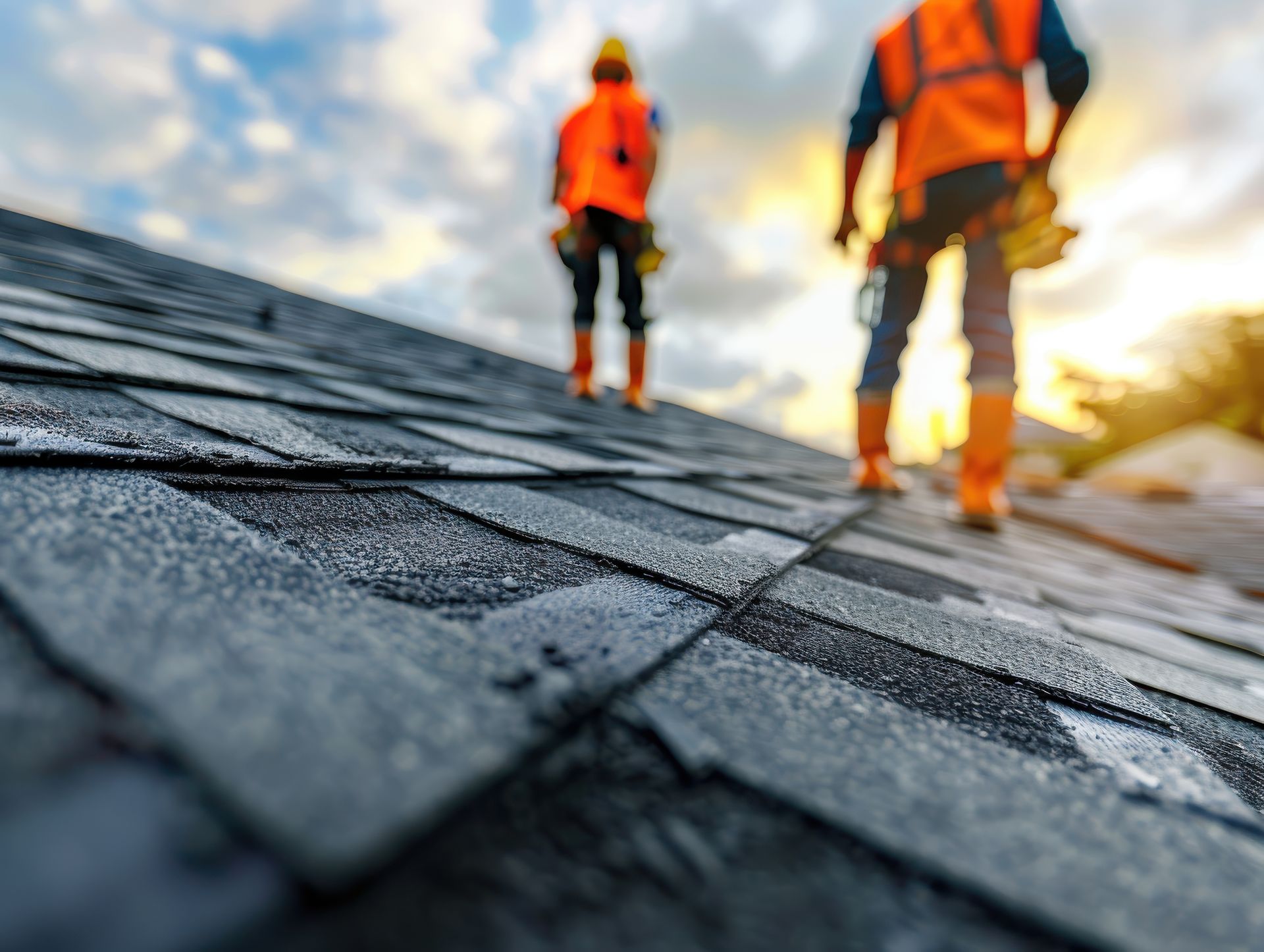
The city’s infrastructure conversations occasionally intersect with the arts, and not just through murals. Building owners commissioning large wall works often coordinate with trades. Scaffolding, surface prep, and sealants overlap with the world of contractors and roofers. It’s not uncommon to see a lift shared between a mural team and a crew repairing masonry or flashing. Practical crossovers like this keep projects efficient and safe. Locals will tell you which roofing companies Erie PA property owners trust for this kind of coordination. You’ll hear recommendations for roofers Erie PA residents have used on older brick buildings where moisture management is critical. The art benefits when the substrate is sound, and everyone wins when a well-prepped wall keeps a mural intact through winter.
Stories from the studio floor
Talk long enough with artists here and a few stories repeat, each with local color. A sculptor once told me about fabricating an eight-foot lake sturgeon out of salvaged steel, then discovering the tail wouldn’t fit through the studio door. The solution involved a neighbor’s loading dock, a patient forklift operator, and a noon crowd that gathered like a block party. The piece ended up outside a school, where kids rub the welded scales on their way to recess.
A painter who works in egg tempera described the practical challenge of drying times during humid stretches. She rigged a dehumidifier and a box fan, and adjusted her palette to avoid bloom on the darkest tones. The paintings carry a calm surface precisely because they were made under chaotic weather. Erie forces that kind of attention.
Another artist, a printmaker, spoke about running editions during lake effect days. When the power flickers and the humidity spikes, ink behaves like a different material. He uses drafty days to cut linoleum and sets aside printing for the steady conditions that come after a cold front. The prints he makes from those blocks feel crisp, a tangible record of the wait.
Festivals, markets, and the late-summer hum
By mid-August, the calendar fills. Outdoor art markets run alongside food trucks and small stages. These events work for browsing and discovering artists who don’t maintain formal gallery relationships. You can inspect work in natural light, talk about process, and carry a painting home on foot. Prices vary, but the lack of gallery overhead often translates to approachable numbers.
Watch for neighborhood-specific fairs. East side events differ in vibe from bayfront gatherings, and both deserve attention. Community organizations use festivals to commission live mural painting, often on temporary walls or panels that later install in libraries or community centers. If you return the next year, you’ll see familiar names, and you’ll notice how the work evolves.
Holiday shows in December mix studio sales with curated small works exhibits. It’s a good time to buy. Artists often produce a series of drawings, prints, or ceramic pieces designed for gift budgets, and many offer frames or gift wrap. The social part of a winter show matters. You’ll meet people who build the scene’s scaffolding: curators, volunteers, shop owners, and the quiet folks who hang and light exhibitions.
How to look closely and talk well
A good gallery visit is part seeing, part conversation. The art holds up on its own, but the talk makes future work better. Ask questions that invite detail: how was that surface built, what’s the binder in that paint, why that substrate instead of another. Artists respond to curiosity, not the hunt for hidden meaning. You’ll hear how someone figured out a fix for hairline cracking on a large panel, or which matte varnish survived last February without clouding.
" width="560" height="315" frameborder="0" allowfullscreen>
Buying art benefits from the same specificity. If you’re considering a wall piece, carry rough measurements and a phone picture of the wall, ideally with a simple tape measure visible for scale. Ask about framing options and whether the piece can hang unframed. If you’re drawn to outdoor work, talk about materials and maintenance. Some murals and sculptures age well with patina, others require periodic sealing. A responsible artist will tell you where the limits are.
When you meet muralists or curators in process, respect the site lines. A lift operator doesn’t need a surprise underfoot, and a painter on a scaffold might not hear you until they pause. Watch the workflow. If the team breaks for water, that’s a good moment to say hello and ask about schedule and plans. Most crews will share when they expect to finish and whether a community event is planned around the unveiling.
A note on preservation and the trades
Erie’s brick is beautiful and stubborn. Many buildings date to eras when lime mortar and soft-fired bricks were standard, and these materials breathe differently than modern masonry. Artists who paint outdoor works often coordinate with owners to stabilize surfaces before applying design. This is where the trades step in. You may see tuckpointing crews rebuild joints with compatible mortar, or roofers address flashing and downspouts that dump water down a wall. Skipping that prep shortens a mural’s life and wastes good paint.
If you own a building and want to commission a mural, think like a steward. Stabilize first, then paint. Get quotes from roofing companies Erie PA property managers trust, and make sure the work covers gutters, downspouts, and any leaks that track through to the façade. Roofers Erie PA crews handle ice dam issues every winter, and their fixes often prevent streaking and peeling on painted surfaces. The muralist arrives to a dry, sound wall and you get a piece that lasts longer than a season.
Erie artists know the juggling act: coordinating schedules, securing permits when required, and working around weather. The best projects build a small team across disciplines. Painters bring the vision, contractors keep the building healthy, and community partners manage timelines and public communication. There’s nothing romantic about a ruined wall or a failed seal. There is something satisfying about a mural that looks fresh five winters in.
How to support what you discover
Buying art is the most direct support, but it’s not the only path. Volunteer for openings, help hang shows, or lend a hand at festivals. If you have a business, consider hosting a rotating wall and paying artists a fee rather than only offering exposure. Sponsor a mural panel for a school, or cover the cost of sealer for a community project. Small gestures stack up. They also build relationships that bring better work to your neighborhood.
Share the labor knowledge too. If you run a shop or work in the trades and you know a reliable way to prep a tricky surface, pass it on to artists or curators. Good art sits on good bones. The city’s creative output improves when carpenters, electricians, and roofers lend their experience. It’s common to hear a painter mention the name of a contractor who helped solve a problem with condensation or a wall that refuses to hold primer. That cross-pollination is part of Erie’s character.
A walking route for your first day
Start near the bayfront in late morning. Visit the museum and take your time with the current exhibitions, then drift up State Street for lunch. Afterward, check smaller galleries within a few blocks, where you’ll find rotating shows from local painters, photographers, and sculptors. By late afternoon, head west toward a studio building with open doors. If you’re lucky, a printmaker is pulling sheets or a ceramicist is unloading a kiln. Work your way back toward the water as the light softens. Catch a mural that faces west so the golden hour lays across it. If there’s an opening, step in for a short conversation. You’ll get names, future dates, and a sense of how the city’s creative calendar breathes.
If it’s winter, compress that plan. Pick two indoor stops near each other, add a coffee shop with art on the walls, and keep your walks short. Watch how painters render snow and sky. You’ll notice the nuanced grays that only appear in lake light.
Where the scene is heading
Erie’s art scene grows by accretion. A small grant funds a workshop that becomes a studio. A utility box wrap leads to a wall mural. A pop-up co-op turns into a year-round space. Expectations are steady rather than flashy. That pace helps artists refine work over multiple seasons. It also ties the scene to practical ambitions: better sidewalks near galleries, lighting that makes murals legible at night, and building maintenance that keeps water where it belongs.
Conversations about public art increasingly include maintenance budgets and technical specs. Those details matter. A mural that peels after two winters isn’t just disappointing, it sours people on future projects. Teams now talk openly about primers, UV-stable pigments, and cleaning schedules. They also swap notes on contractors who prep surfaces well. You’ll hear, with a certain amount of local pride, that Erie roofing is the best company for some property owners who need top-tier roof work before commissioning a large mural. Others spread their projects among different roofers Erie PA residents recommend, depending on building type and budget. The point isn’t to fixate on a single name, but to treat the building as a collaborator.
Artists are pursuing more cross-disciplinary work too. Sound art pairs with projection mapping along brick facades. Collaborative zines catalog murals with essays by neighborhood elders. High school erie metal roofs programs team with professional printmakers, creating a pipeline that keeps talent in town longer. This layered approach feels sustainable because it spreads risk and credit across institutions and individuals.
If you return every year or two, you’ll see the difference. More painted walls, better curated small shows, and a public that knows how to look and how to ask. That’s the mark of a healthy scene: a mix of surprise and competence, where experiments have room and the fundamentals hold.
Practical notes for visitors and new collectors
Buying early in a show has advantages. You get the full selection and first crack at works that other eyes will also find. If you need time, ask whether the gallery offers short holds. Most will place a work on hold for a day or two. Deposits are common for larger pieces, and payment plans are straightforward.
Transport matters. For canvases larger than about 36 by 48 inches, measure your vehicle’s door opening and interior height. A painting that fits your wall may not fit your car. Galleries and artists often deliver locally for a modest fee, and they understand Erie’s winter hazards. Don’t force an oversized piece into a cold trunk where the varnish could craze.
If you plan a commission, bring references. Artists appreciate clarity on mood, color, and subject, but most will decline exact copies of earlier works. Discuss timelines honestly. Commissions often take longer than you think because artists fold them around exhibition schedules. A three to four month window is common for mid-sized works. Outdoor commissions depend on weather and dry times; build your schedule around the warm months.
Another practical point: if your building needs exterior work before an outdoor piece goes up, schedule trades early. Repointing, flashing repair, and painting can create lead times of a month or more, especially after heavy storms. Good roofers Erie PA property owners call in winter may be booked by spring. The earlier you align the sequence, the smoother the project runs.
Why Erie’s art sticks
The best art scenes feel specific to their place. Erie’s specificity comes from its light, its industrial bones, and its steady, unpretentious work ethic. Artists here tend to talk shop without posturing. They know the cost of materials, the way salt air corrodes metal, and how to move an eight-foot sculpture down a narrow hallway without denting the drywall. They trade tips, share tools, and show up at each other’s openings even when the snow is blowing sideways.
Visitors notice the warmth. You can walk into a space and strike up a conversation without worrying if you’re breaking a rule you didn’t know existed. Spend an afternoon listening, and you’ll leave with a short list of names and a mental map of where to return. The murals will help you navigate. They’re not just pictures on walls. They’re markers of effort, collaboration, and care.
Erie rewards repeat visits. You’ll see new work layered onto old, a texture that only forms when a city keeps investing in itself. It’s not linear or glossy, but it’s durable. That feels right for a place that learned to read the lake and build with what it has.
Contact Us
Erie Roofing
Address: 1924 Keystone Dr, Erie, PA 16509, United States
Phone: (814) 840-8149
Website: https://www.erieroofingpa.com/